Practical guidance and real‑world examples for modernizing live production environments - without shutting down operations
Built around real facilities dealing with aging systems, downtime risk, and production constraints.

Everything feels important, but prioritization keeps stalling
-
Multiple systems show signs of risk
-
No clear starting point without creating disruption
-
Every change feels like it could cause bigger issues
Upgrades need to happen without shutting production down
-
Systems are tightly connected
-
Even small changes carry operational risk
-
There’s no margin for extended downtime
Failures are becoming more frequent — and harder to predict
-
Parts are harder to source
-
Systems are still running but harder to support
-
Maintenance depends on experience, not documentation
Systems are in place, but the work still feels reactive
-
New technology hasn’t changed day-to-day operations
-
Troubleshooting still depends on people, not systems
-
Issues are fixed, but not prevented
Keep production running while reducing downtime risk and improving recovery when issues occur.
-
Downtime events are becoming harder to diagnose and recover from
-
Systems still run, but confidence in reliability is declining
-
Maintenance depends more on experience than consistent processes
Prioritize modernization decisions without creating unintended system risk or rework.
-
Multiple systems show signs of risk, but no clear starting point
-
Changes in one area can create issues elsewhere
-
Obsolescence and availability are starting to constrain decisions
Ensure modernization efforts actually improve performance, not just introduce new systems.
-
Investments have been made, but operations still feel reactive
-
Downtime, safety, or labor challenges haven’t improved
-
Teams rely on people more than systems for recovery and decision-making
Why Modernization Fails — and How to Do It Differently
Modernization usually doesn’t fail because of technology. It fails because the way work gets done doesn’t change. And the same patterns show up again and again — regardless of system or facility.
We added technology, but nothing changed
Systems get installed — but the way work gets done stays the same.
-
Troubleshooting still depends on experience
-
Issues are fixed, but not prevented
-
Data exists, but doesn’t change decisions
We tried to fix everything at once
Modernization stalls because the risk of touching the wrong system feels too high.
- Systems are tightly connected
- One change can create downstream issues
- Full upgrades feel risky and disruptive
Our team isn’t set up for the change
New systems were installed — but support, workflows, and training didn’t evolve with them.
-
Tools exist, but usage is inconsistent
-
Processes still rely on people, not systems
- Teams revert to reactive work
These aren’t technology problems — they’re modernization approach problems.
The difference isn’t the tools. It’s how the work is planned, phased, and supported in real production environments — while the plant is still running.
How Plants Modernize Without Shutting Down
Real facilities don’t start from scratch.
They modernize around live production, aging infrastructure, and tight operational constraints.
These examples show what that actually looks like — across different types of plants, challenges, and modernization approaches.

Reducing Downtime Caused by Electrical Events
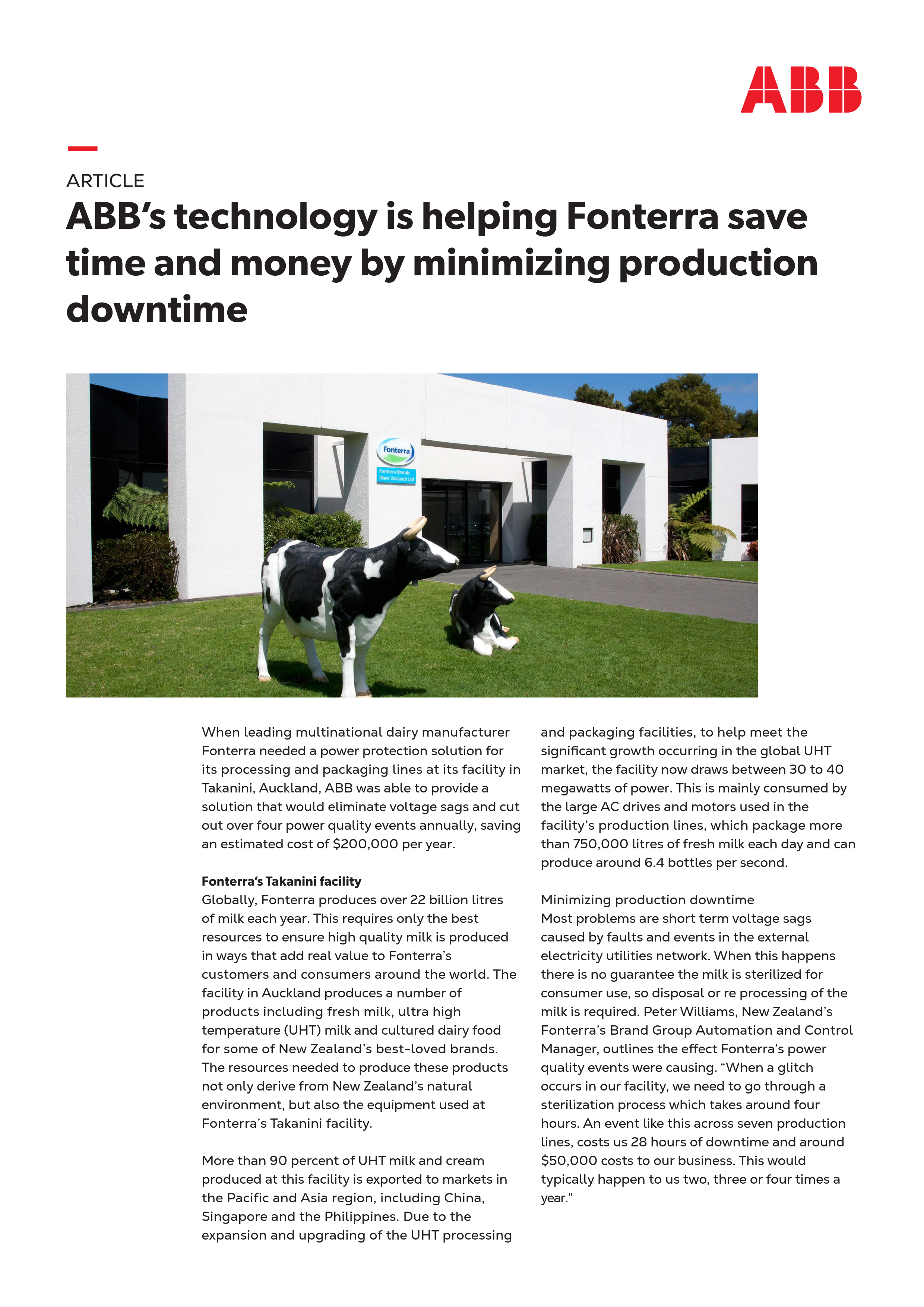
A dairy processing plant experienced repeated production losses from voltage sags, triggering sterilization cycles and hours of downtime across multiple lines.
By stabilizing power quality, the facility maintained operations during disturbances and prevented significant product and time loss.
Related:

Modernizing a 30-Year-Old System Without Full Replacement
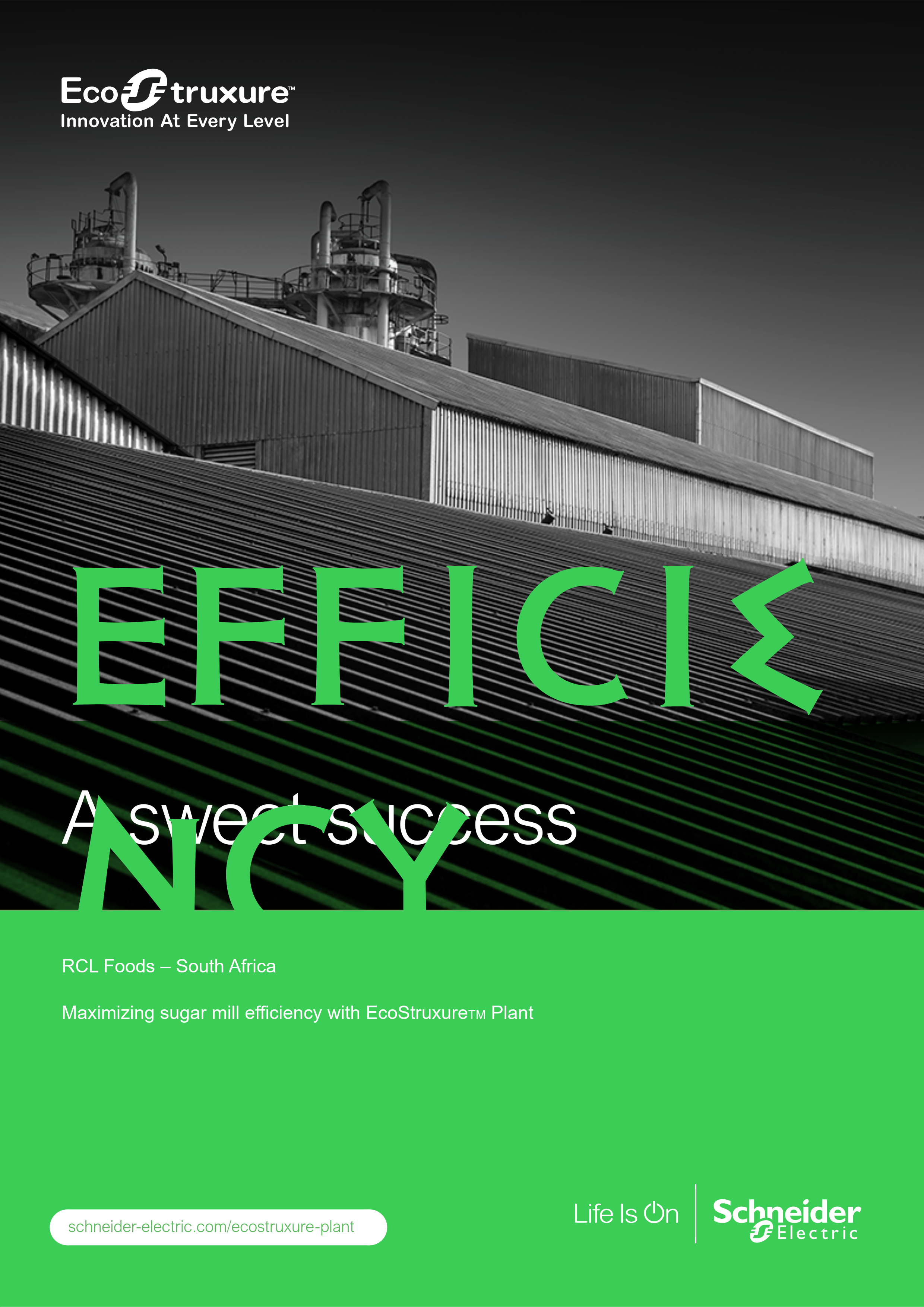
A sugar mill operating on an aging control system faced frequent blackouts, declining output, and production instability.
Instead of replacing everything, the facility implemented a phased migration — improving visibility, reducing downtime, and increasing throughput by 20%.
Related:

Improving Efficiency by Replacing Aging Infrastructure
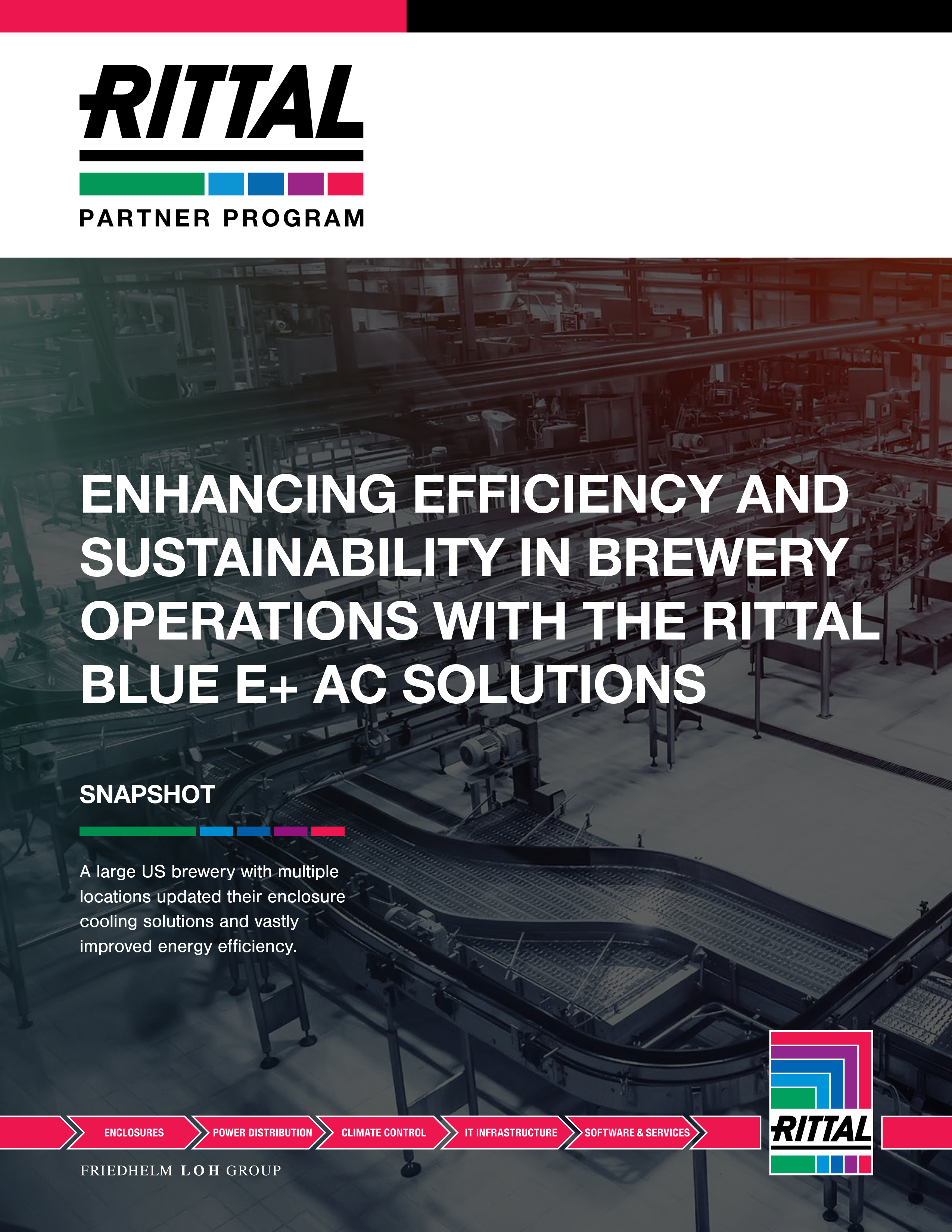
A multi-site brewery struggled with aging cooling equipment, rising energy usage, and increasing risk to production.
By replacing inefficient systems and standardizing infrastructure, the facility reduced energy consumption by over 80% while improving operational stability.
Related:

Improving Safety and Visibility Without Disruption
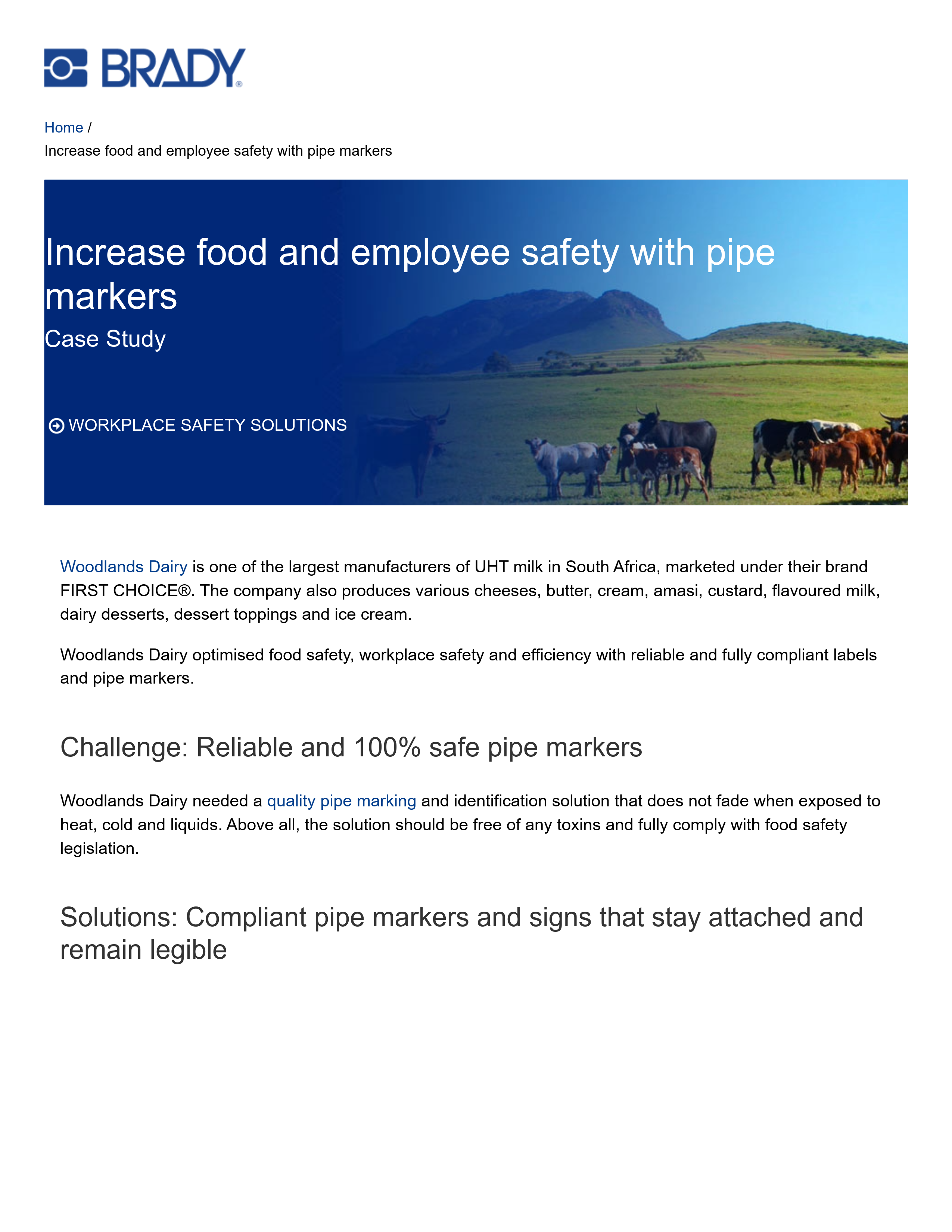
A dairy manufacturer improved food safety, employee safety, and operational efficiency by implementing durable identification and marking systems.
Clear labeling improved decision-making, reduced risk, and ensured compliance — without impacting production.
Related:
Plan Your Next Step
Most teams don’t start with a full modernization plan.
They start by identifying where risk is already building — and what to address next.
Step 1:
Identify where the risk is building
Start with the systems and components most likely to fail, not what’s newest or most visible.
-
Aging components don’t fail randomly — they fail predictably
-
Obsolescence shows up long before failure
-
Risk builds quietly until it turns into downtime
Step 2:
Prioritize what actually needs to change
Not everything needs to be upgraded at once
Focus on what creates the most risk or constraint to production.
- Some systems limit recovery more than uptime
- Prioritization should be based on consequence, not age
- The wrong starting point creates more downstream work
Step 3:
Plan upgrades around production
Modernization succeeds when it works with production — not against it.
- Full shutdowns aren’t required for most upgrades
- Phased implementation reduces risk and disruption
- Work can be staged around real operating constraints
Step 4:
Make sure the change actually sticks
New systems don’t change outcomes unless workflows, skills, and processes change with them.
- Teams fall back into reactive behavior without support
- Data doesn’t improve decisions unless it’s used consistently
- Results depend on how the system is used — not just installed
Ready to take the next step?
You don’t need a full plan yet — just a clear starting point. Choose your next step:
A practical guide to:
- Identifying where risk is already building in your systems
- Prioritizing upgrades based on impact — not guesswork
- Planning phased modernization without disrupting production
Work through it at your pace — and align your team before taking action
A short working conversation to help you:
- Pressure-test your current systems and assumptions
- Identify where risk is already building
- Decide what to tackle first — and what can wait
No prep required — this is a working conversation, not a sales pitch.
What Makes Modernization Actually Work
The difference isn't the technology. It's how the work gets done.
Across Food & Beverage facilities, the same patterns show up — whether the issue is downtime, aging systems, or inefficiency.
These are the patterns behind the examples above — not theory.
It's not about replacing everything first.
Focus stays on the systems creating the most risk — not a full rip‑and‑replace.
Modernization succeeds when teams identify what actually drives downtime and address those constraints first.
Work is done around live production
Upgrades are planned around real operating conditions — not ideal timelines.
Most upgrades are phased to avoid shutdowns and keep production moving.
Adoption is planned — not assumed
New systems only improve outcomes if they’re actually used.
Teams are supported with clear workflows, training, and processes so work doesn’t fall back into reactive patterns.
Decisions are based on real system conditions
Modernization decisions are grounded in how systems actually perform — not assumptions.
Data becomes useful when it improves how teams troubleshoot, recover, and plan.
This is what separates modernization efforts that work from those that stall — not better technology, but better execution around how the work gets done.
Start with a Practical Next Step — Not a Full Project
You don’t need a full modernization plan today.
But if risk is building, it usually gets harder — and more expensive — to address later.
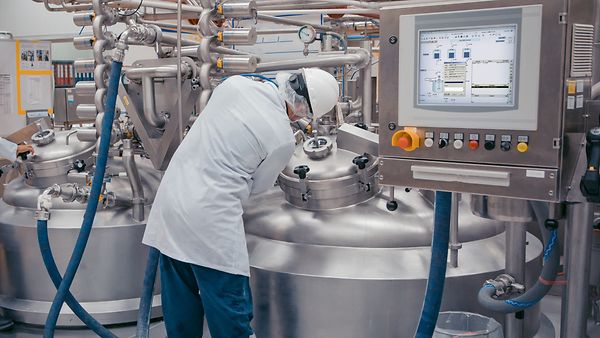
A short working conversation can help you quickly clarify where you stand and what to do next.
-
Identify where risk is building in your current systems
-
Validate what actually needs to change (and what doesn’t)
-
Leave with a clear next step — without disrupting production
This isn’t a sales pitch — it’s a working conversation.
Built on Proven Technologies Used Across Industrial Operations
These are the systems and platforms we work with every day to support modernization efforts.